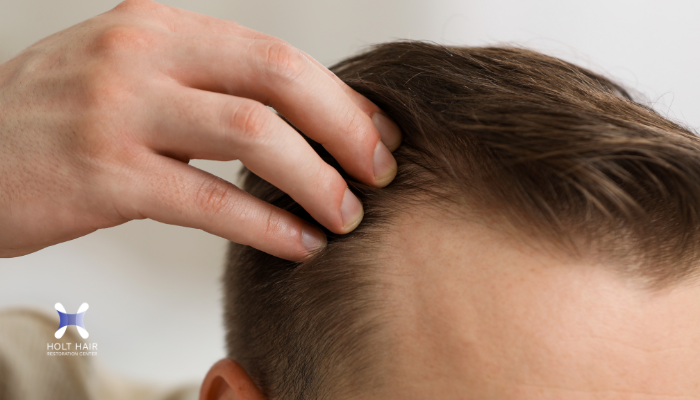
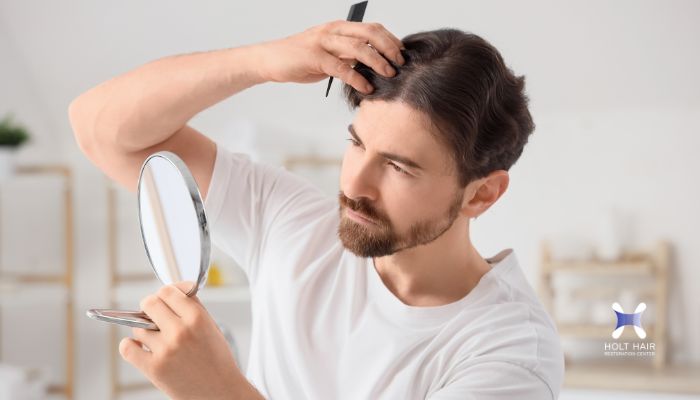
Hair thinning is one of the most common signs of hair loss, affecting both men and women at different stages of life. While some people experience gradual changes over time, others may notice sudden shedding, reduced hair density, or visible thinning that affects their confidence.
Learning how to stop hair thinning starts with recognizing the early warning signs and understanding the factors that contribute to hair loss. Taking action sooner can help protect existing hair and improve the chances of achieving better results. Understanding the causes of thinning hair and exploring effective treatment options is the first step toward creating a personalized hair restoration plan.
Table of Contents
Recognizing the Early Signs of Hair Thinning
Hair thinning does not always begin with obvious bald spots. In many cases, the first signs are subtle and easy to overlook. Paying attention to changes in your hair can help you address the issue before it progresses.
Common early signs of hair thinning include:
- Increased hair shedding when brushing or showering
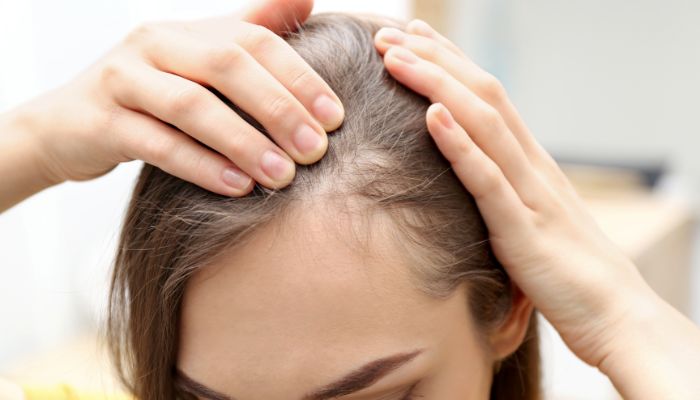
- A wider part line or more visible scalp
- A receding hairline or thinning around the temples
- Reduced hair volume or thinner ponytails
- Hair that feels weaker, finer, or more fragile
- Slower hair growth compared to previous years
If you notice these changes, it may be a sign that your hair follicles are becoming weaker and may benefit from early intervention.
What Causes Hair Thinning?
Hair thinning can happen for many different reasons, and identifying the underlying cause is important for choosing the right approach.
Genetics and Hormonal Changes
One of the most common causes of hair thinning is genetic hair loss, also known as androgenetic alopecia. This condition affects both men and women and is influenced by genetics and hormones.
In men, it often appears as a receding hairline or thinning at the crown. In women, it commonly presents as overall thinning throughout the scalp, especially around the part line.
Hormonal changes can also contribute to hair thinning. Factors such as aging, pregnancy, menopause, and changes in hormone levels can affect the hair growth cycle.
Stress and Lifestyle Factors
High levels of stress can impact the normal hair growth cycle and trigger excessive shedding. A condition called telogen effluvium can cause more hairs than usual to enter the shedding phase.
Other lifestyle factors that may contribute to thinning hair include:
- Poor nutrition
- Lack of essential vitamins and minerals
- Inadequate sleep
- Smoking
- Excessive heat styling or chemical treatments
Supporting overall health through a balanced lifestyle can help create a better environment for healthy hair growth.
Nutritional Deficiencies
Hair follicles require essential nutrients to produce strong, healthy hair. Deficiencies in certain vitamins and minerals, including iron, vitamin D, zinc, and protein, may contribute to hair shedding and weaker hair strands.
If you are experiencing unexplained hair thinning, a healthcare provider may recommend evaluating your nutrition and identifying any potential deficiencies.
Why Early Action Matters
Many people wait until they notice significant hair loss before seeking help. However, addressing hair thinning early can make a meaningful difference.
Hair follicles that become smaller over time may produce thinner, weaker hairs. Once a follicle stops producing hair completely, restoring growth can become more challenging.
Early hair restoration strategies focus on:
- Preserving existing hair
- Supporting healthier follicles
- Improving hair density
- Reducing future progression of hair loss
The earlier you understand what is causing your hair thinning, the more options you may have available.
Effective Treatment Options for Hair Thinning
There is no single solution that works for everyone. The best treatment plan depends on the cause, stage, and pattern of hair loss.
PRP Hair Restoration
Platelet-rich plasma (PRP) therapy is a popular non-surgical treatment option for individuals experiencing thinning hair. During the procedure, a patient’s own platelet-rich plasma is used to support the scalp environment and encourage healthier hair growth.
PRP may help improve hair thickness, strengthen existing follicles, and support the natural growth cycle.
Medical Hair Loss Treatments
Depending on the cause of hair thinning, certain medications or medical therapies may be recommended. A consultation with a qualified provider can help determine which options are appropriate based on your individual needs.
Hair Transplantation
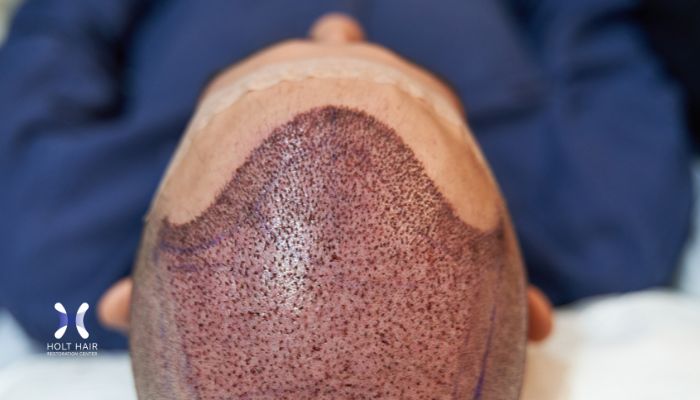
For individuals with more advanced hair loss, hair transplantation may be an effective long-term solution. Advanced techniques, including robotic-assisted hair restoration systems such as ARTAS system, can help physicians create natural-looking results by precisely selecting and placing healthy hair follicles.
Hair transplantation is typically considered when areas of thinning have progressed and additional density is needed.
How to Protect Your Hair Before Thinning Progresses
While some causes of hair loss cannot be completely prevented, there are steps you can take to help stop hair thinning and support healthier hair growth.
- Maintain a Healthy Diet: Focus on consuming enough protein, vitamins, and minerals that support hair health. A nutrient-rich diet provides the building blocks your body needs for strong hair growth.
- Be Gentle With Your Hair: Avoid excessive heat styling, tight hairstyles, and harsh chemical treatments that can weaken hair strands and contribute to breakage.
- Manage Stress: Finding healthy ways to manage stress through exercise, relaxation techniques, and quality sleep may help support a balanced hair growth cycle.
- Schedule a Hair Loss Consultation Early: If you notice ongoing thinning, increased shedding, or changes in your hairline, consulting a hair restoration specialist can help identify the cause and discuss personalized treatment options.
Conclusion
Hair thinning is often easier to address in its early stages. Waiting until significant hair loss occurs may reduce the available treatment options and make achieving your desired results more challenging.
Whether you are noticing gradual thinning, increased shedding, or changes in hair density, a professional evaluation can help identify the cause and determine the most effective approach for your needs. If you are concerned about hair loss, schedule a consultation with Dr. Holt to discuss your options and create a personalized hair restoration plan.
Taking action early can help you take steps to stop hair thinning, preserve existing hair, support healthier growth, and move forward with confidence.