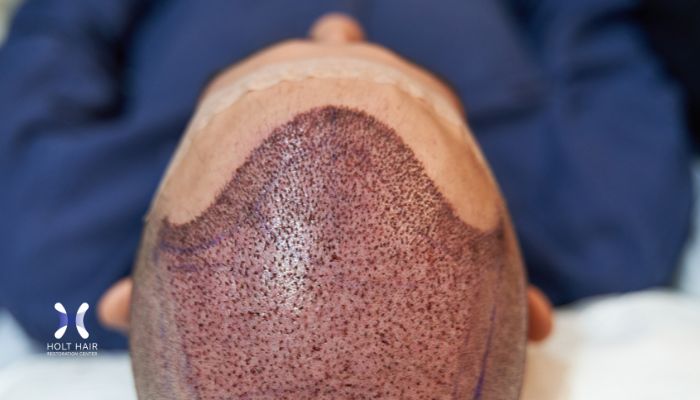
Recovering from a hair transplant is an important phase that directly affects the quality of your final results. If you have recently undergone a procedure with the advanced ARTAS Robotic Hair Transplant system, one of the most common questions patients ask is how to sleep safely during the first few nights.
Sleeping correctly after a hair transplant helps protect the newly transplanted grafts, reduces swelling, and promotes optimal healing. While the ARTAS robotic system is designed to minimize trauma and support faster recovery, proper aftercare — including sleep position — is essential for achieving the best possible hair restoration results.
In this guide, we will explain exactly how to sleep after an ARTAS hair transplant, what positions to avoid, and helpful tips to make your recovery period comfortable and safe.
Table of Contents
Why Sleeping Position Matters After an ARTAS Hair Transplant
During an ARTAS Robotic Hair Transplant procedure, individual hair follicles are carefully extracted and implanted into thinning or balding areas of the scalp. These newly placed grafts are delicate during the first several days following treatment.
Incorrect sleeping positions can:
- Dislodge transplanted grafts
- Cause unnecessary pressure on the scalp
- Increase swelling in the forehead or face
- Delay healing and affect hair growth
The good news is that with a few simple adjustments, you can sleep safely while protecting your investment in hair restoration.
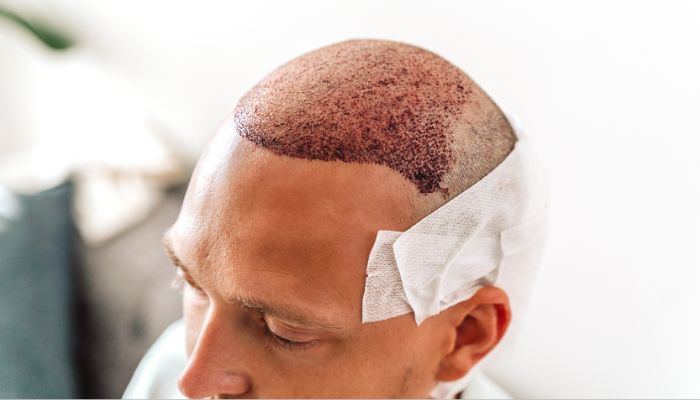
Sleep With Your Head Elevated
One of the most important rules after a hair transplant is sleeping with your head elevated. Keeping your head raised at about a 45-degree angle helps reduce fluid buildup and swelling around the forehead and scalp.
How to do it:
- Use two to three pillows to elevate your head.
- Sleep in a recliner chair if possible.
- Use a wedge pillow designed to support elevated sleeping.
Elevation is especially important during the first 3 to 5 nights after the procedure, when swelling is most likely to occur.
Sleep on Your Back
For the first 7–10 days, it is essential to sleep only on your back. Side sleeping or stomach sleeping can put pressure on the transplanted area and potentially damage the newly implanted follicles.
Avoid these positions:
- Sleeping on your stomach
- Sleeping on your side
- Pressing your scalp directly against the pillow
Back sleeping ensures the transplanted area remains untouched while you sleep. However, even when sleeping on your back, it is important to place a small pillow or rolled towel under your neck, especially if the crown area has been transplanted. This extra support prevents the crown from pressing against the pillow, keeping the transplanted grafts safe and reducing the risk of pressure-related damage.
Avoid Touching or Rubbing the Scalp
While sleeping, it’s important to avoid rubbing or scratching your scalp, even if you experience mild itching.
Itching is a normal part of the healing process after an ARTAS Robotic Hair Transplant, but touching the area too early can loosen grafts.
To reduce irritation at night:
- Keep your fingernails short.
- Follow your doctor’s instructions for post-treatment sprays or cleansers.
- Keep your sleeping environment cool to help reduce sweating and discomfort.
Protect the Donor Area
In addition to the transplanted area, the donor area at the back of the scalp also needs protection during sleep. Because ARTAS Robotic Hair Transplant uses robotic precision to extract individual follicles, the donor area typically heals faster than traditional hair transplant methods. However, it can still feel sensitive during the first few days.
- Tips for protecting the donor area while sleeping: Avoid pressing the back of your head directly into the pillow.
- Use soft pillowcases.
- Follow your surgeon’s washing instructions carefully
Within about 7–10 days, the donor area usually heals significantly.
Keep Your Bedding Clean
Maintaining a clean sleep environment is essential for proper healing.
After a hair transplant procedure, your scalp may release small amounts of fluid or blood during the first night. Using clean bedding helps prevent bacteria from contacting the treated areas.
Best practices include:
- Use fresh pillowcases every night for the first week
- Choose soft cotton or silk pillowcases
- Avoid rough fabrics that may irritate the scalp
- Wash bedding regularly
This simple step helps reduce the risk of infection and supports healthy recovery.
Returning to Normal Sleep After an ARTAS Hair Transplant
Returning to normal sleep habits after an ARTAS Robotic Hair Transplant should be done gradually to protect the newly implanted grafts. During days 10–14, the grafts become increasingly secure. By day 10, many patients may begin sleeping on their sides; however, it is still important to avoid placing direct pressure on the transplanted (recipient) area.
After day 14, most patients can slowly return to their normal sleeping positions, as the grafts are usually firmly rooted and the scabbing process is complete.
By 3–4 weeks post-op, most patients can comfortably sleep on their side or stomach without significant concern. Even at this stage, it is still recommended to treat the scalp gently and follow your surgeon’s specific aftercare instructions to ensure the best possible hair restoration results.
Conclusion
Learning how to sleep after an ARTAS hair transplant is one of the simplest yet most important steps you can take to protect your results. Keeping your head elevated, sleeping on your back, and avoiding pressure on the scalp helps give your transplanted follicles the best environment to heal and grow properly.
The advanced technology used in the ARTAS Robotic Hair Transplant system allows for precise graft placement and minimally invasive extraction, helping support natural-looking hair restoration results. When this advanced technique is combined with proper aftercare and careful sleeping habits, patients can achieve the best possible outcomes.
If you have recently had a hair transplant or are considering the procedure, always follow your surgeon’s personalized aftercare instructions to support healthy healing and optimal hair growth.