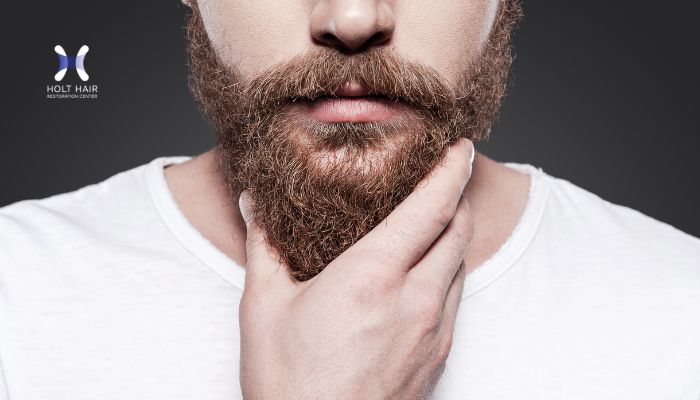
A full, well-defined beard has become one of the most sought-after features in modern men’s grooming. But not everyone is naturally able to grow thick, even facial hair. Patchiness, scarring, genetics, or hormonal factors can all affect beard growth, often leading to frustration and a loss of confidence.
If you’ve struggled to grow a full beard, a beard transplant may be the solution. This advanced cosmetic procedure offers natural, permanent results by restoring facial hair exactly where you need it.
In this guide, we’ll break down what a beard transplant is, how it works, who it’s for, and what you can expect from the process.
Table of Contents
What Is a Beard Transplant?
A beard transplant is a minimally invasive cosmetic procedure that involves taking healthy hair follicles, typically from the back of the scalp, and transplanting them into areas of the face where beard hair is thin, uneven, or absent.
This procedure is a form of Facial Hair Transplantation, which can also include mustache and sideburn restoration. However, beard enhancement is the most common reason patients seek treatment.
The goal is simple: to create a fuller, thicker, and more defined beard that looks completely natural.
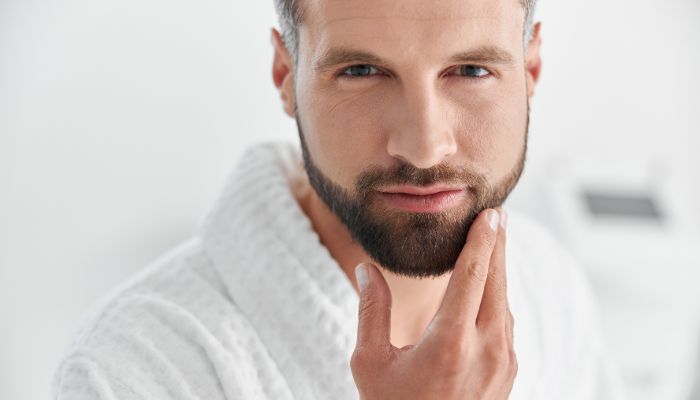
Why Do Men Choose Beard Transplants?
There are several reasons why someone might consider a beard transplant:
1. Patchy or Uneven Growth
Genetics often play a major role in how facial hair develops. Some men simply cannot grow a dense beard, leaving visible gaps or uneven areas.
2. Scarring or Skin Conditions
Acne scars, burns, or injuries can prevent hair from growing in certain areas. A beard transplant can effectively cover these spots with natural-looking hair.
3. Thin or Sparse Beard
Even if you can grow a beard, it may lack density. Transplanting additional follicles can create a thicker, more masculine appearance.
4. Desire for a Specific Style
A beard transplant allows for custom beard design, helping you achieve a defined jawline, sharper cheek lines, or a fuller mustache if desired.
How Does a Beard Transplant Work?
A beard transplant is typically completed in a single day and involves several carefully planned steps:
1. Consultation and Design
Your provider will evaluate your facial structure, existing hair growth, and desired beard style. Together, you’ll design the ideal shape and density for natural-looking results.
2. Donor Hair Extraction
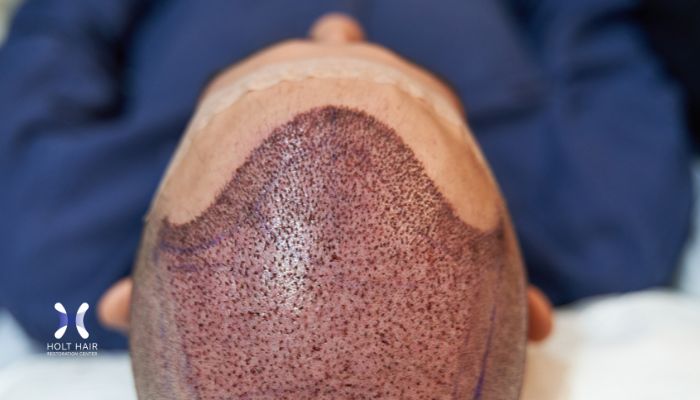
Hair follicles are usually taken from the back of the scalp, where hair is genetically resistant to thinning. This is commonly done using the Follicular Unit Extraction (FUE) method.
FUE involves removing individual hair follicles one by one, which minimizes scarring and ensures a faster recovery.
3. Graft Preparation
Each extracted follicle (called a graft) is carefully prepared under a microscope to ensure optimal survival and placement.
4. Transplantation
Tiny incisions are made in the beard area, and the follicles are strategically implanted to match the natural direction, angle, and density of facial hair growth.
This step is critical, because the angle, direction, and density of each graft play a major role in creating natural, undetectable results.
What Areas Can Be Treated?
A beard transplant can enhance or restore hair in multiple areas of the face, including:
- Cheeks (for fuller coverage)
- Jawline (for better definition)
- Chin (for a thicker goatee)
- Sideburns
- Mustache (for added density or symmetry)
While mustache restoration is often included, most patients primarily focus on achieving a fuller beard.
Benefits of a Beard Transplant
A beard transplant offers a range of long-term advantages:
- Fuller-looking beard and mustache
- Natural, undetectable results
- Permanent solution (transplanted hair continues to grow for life)
- Fills bald patches and scars effectively
- Customizable beard shape and style
- Minimal discomfort during the procedure
- Outpatient treatment with no hospital stay
Because your own hair is used, the results blend seamlessly with your existing facial hair.
What Is Recovery Like?
Recovery from a beard transplant is relatively quick and straightforward.
First Few Days:
- Mild redness, swelling, or tiny scabs in the treated area
- Minimal discomfort, usually managed without strong medication
First 2 Weeks:
- Transplanted hairs may shed—this is normal and part of the process
- Skin continues to heal
1–3 Months:
- New hair growth begins
6–12 Months:
- Full results become visible, with thicker, natural-looking facial hair
Most patients can return to work within a few days, making this a convenient option for busy individuals.
Are the Results Permanent?
Yes, one of the biggest advantages of a beard transplant is that the results are permanent.
The transplanted follicles retain the characteristics of the donor area, meaning they will continue to grow just like the hair on your scalp. You can shave, trim, and style your beard as usual once the healing process is complete.
Who Is a Good Candidate?
You may be a good candidate for a beard transplant if you:
- Have patchy or uneven facial hair
- Cannot grow a full beard due to genetics
- Have scars that prevent hair growth
- Want a thicker or more defined beard
- Have sufficient donor hair on the scalp
A consultation with an experienced provider is essential to determine the best approach for your goals.
Does a Beard Transplant Look Natural?
When performed by skilled professionals, a beard transplant delivers exceptionally natural results.
The key lies in:
- Proper angle and direction of hair placement
- Strategic density distribution
- Customized design based on your facial features
Because real hair follicles are used, the transplanted beard grows naturally and can be styled just like your original facial hair.
Conclusion
A beard transplant is more than just a cosmetic procedure, it’s a confidence-boosting solution for men who want to improve their appearance and achieve the beard they’ve always wanted.
By using advanced techniques like Follicular Unit Extraction, this treatment offers a safe, effective, and long-lasting way to restore or enhance facial hair.
Whether you’re dealing with patchiness, scarring, or simply want a fuller look, a beard transplant can deliver natural, permanent results, all in a single outpatient session.