
If you’ve recently undergone an ARTAS Robotic Hair Transplant or are considering one, you may be wondering what the healing process looks like. While ARTAS offers one of the most advanced, minimally invasive hair restoration options available today, recovery is still a critical part of achieving optimal results. In this article, we’ll break down the hair transplant healing process after ARTAS, what you can expect in the days and weeks following your procedure, and how to care for your scalp to support new hair growth.
Table of Contents
Understanding ARTAS: A Brief Overview
ARTAS Robotic Hair Transplant is a cutting-edge, minimally invasive hair restoration solution that uses robotic technology to perform precise follicular unit extraction (FUE). This advanced system harvests healthy hair follicles from the back and sides of the scalp—areas typically resistant to hair loss—and transplants them into thinning or balding areas to restore natural hair growth.
FDA-cleared and extensively tested for safety and effectiveness, the ARTAS system combines high-resolution digital imaging and intelligent algorithms to create a detailed map of the scalp. This allows the robotic arm to identify and extract the healthiest hair follicles with exceptional precision and consistency, minimizing damage to surrounding tissue and maximizing graft survival.
Thanks to its accuracy and refined technique, ARTAS offers natural-looking results, restoring not only your hairline and density but also your overall confidence and appearance.
The Hair Transplant Healing Process After ARTAS: Timeline Breakdown
Immediately After Your ARTAS Procedure (Days 1–3)
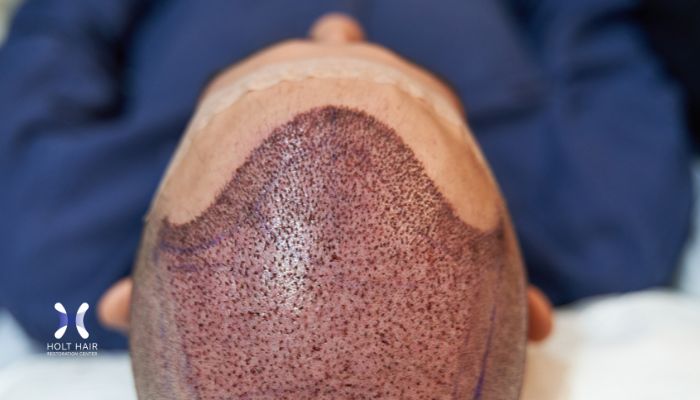
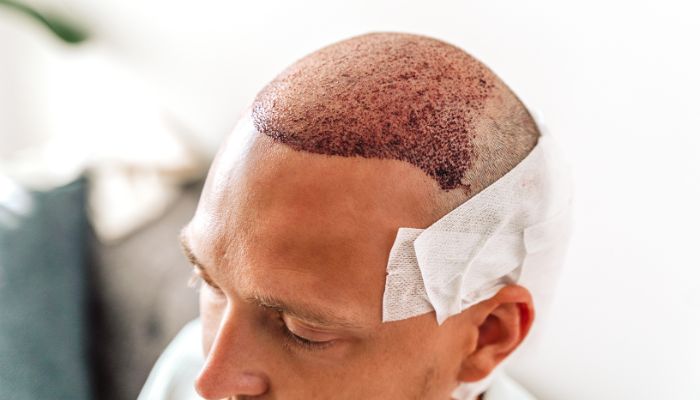
The healing process begins immediately after the ARTAS procedure. The first few days are about protecting the treated areas and minimizing discomfort.
Early Healing Phase (Days 4–10)
Shedding Phase (Weeks 2–4)
This stage can be confusing for patients, but it’s completely normal. You may notice transplanted hairs falling out—this is called “shock loss”, and it’s a natural part of the hair transplant healing cycle.
What to Expect:
- Transplanted hairs may shed, leaving the scalp looking similar to pre-transplant conditions
- The follicles remain intact beneath the skin, ready to regrow
- Some minor redness may persist, especially in those with fair or sensitive skin
Why It Happens:
The follicles temporarily enter a resting phase (telogen), which causes the hair shaft to fall out. Don’t worry—this does not mean the transplant failed.
New Hair Growth Begins (Months 2–4)
Around the 2-month mark, your new hair begins to emerge. These early sprouts may be fine and light in color, but over time they will thicken and darken.
What to Expect:
- Gradual appearance of new hair in the recipient area
- Some patchiness at first—growth is staggered
- Texture changes as new hair matures
Aftercare Support:
- Use any prescribed or recommended hair growth products (such as PRP treatments)
- Stay consistent with your provider’s post-op check-ins
- Maintain a healthy diet and avoid smoking, as it can impair follicle health
Noticeable Results (Months 5–8)
This is when patients start to see real, exciting changes. The hair transplant healing process is well underway, and the newly grown hairs will become more visible, fuller, and denser.
What to Expect:
- Significant growth in the treated areas
- Improved scalp coverage and volume
- New hairs that blend with your existing hairline
Tips to Enhance Results:
- Consider complementary treatments like PRP and nutritional supplementation
- Avoid aggressive hair styling or chemical treatments
- Stick to gentle, non-comedogenic hair care products
Final Results (Months 9–12+)
By the 12-month mark, your ARTAS hair transplant results will be fully visible. The transplanted hairs will have fully matured and integrated with your natural hair, giving you a fuller, natural-looking appearance with long-term results.
What to Expect:
- Fully matured hair growth
- Natural hairline and restored density
- Permanent results in most cases
At this stage, maintenance is similar to caring for your natural hair. There are no special products or ongoing treatments required unless you want to enhance growth or prevent future thinning in other areas.
Extra Tips for a Smooth ARTAS Hair Transplant Recovery
- Eating a protein-rich, anti-inflammatory diet that includes biotin, zinc, omega-3s, and vitamin C (such as eggs, salmon, leafy greens, and berries) can help accelerate tissue repair and support strong, healthy hair growth.
- Staying well-hydrated by drinking at least 8–10 glasses of water daily is essential for cellular healing and overall recovery.
- To minimize swelling and protect the grafts, sleep with your head elevated at a 30–45° angle for the first few nights, using extra pillows or a travel neck pillow for support.
- Before your procedure, prepare a clean, cozy recovery space with everything you might need—like medications, water, snacks, and a phone charger—easily accessible to reduce unnecessary movement.
- Keep your sleeping area cool and dry to avoid excessive sweating, which can affect the healing process and scalp cleanliness.
- Mentally prepare yourself for the normal shedding phase, understanding it’s a temporary and expected part of the hair growth cycle.
- Take weekly progress photos rather than checking daily to avoid discouragement and to more clearly track your results over time.
Conclusion
The hair transplant healing process after ARTAS is relatively smooth and predictable—especially when you follow your provider’s post-care plan. While it may take a year or more to see full results, most patients begin noticing positive changes within just a few months.
With patience, consistency, and proper aftercare, your ARTAS hair restoration journey can lead to natural-looking, permanent results—and renewed confidence.