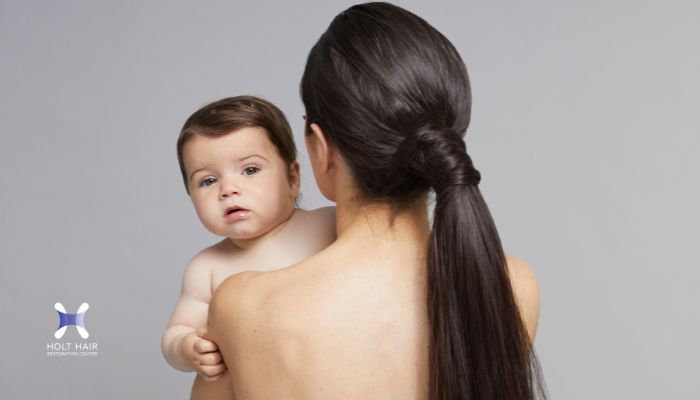
Bringing a new life into the world is a beautiful and transformative journey. But alongside the joy and sleepless nights, many new moms experience an unexpected concern—postpartum hair loss. Seeing strands of hair collect in the shower or on your brush can be unsettling, especially while adjusting to the demands of caring for a newborn. The good news? Hair loss after pregnancy is common, temporary, and manageable. In this article, we’ll explore why it happens, what to expect, and share the most effective postpartum hair loss prevention tips to help you protect your hair and feel confident during your recovery.
Table of Contents
Why Does Postpartum Hair Loss Happen?
During pregnancy, increased levels of estrogen keep your hair in a prolonged growth phase. This means fewer strands fall out than usual, giving many women that coveted “pregnancy glow” with thicker, shinier hair. After delivery, however, estrogen levels rapidly drop, and hair that was in the prolonged growth phase suddenly shifts into the resting and shedding phase—this is known as telogen effluvium.
Most women begin to notice hair shedding around 2 to 4 months postpartum, and it can last up to 6–12 months. While this is a natural response to hormonal changes, there are ways to support healthy hair regrowth and reduce excessive shedding.
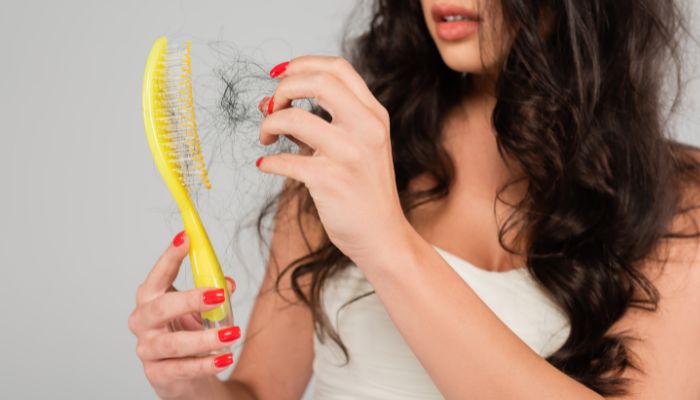
Top Tips for Postpartum Hair Loss Prevention
Nourish Your Body with the Right Nutrients
Your hair is a reflection of your overall health. After childbirth, your body is still healing and may be depleted of essential nutrients.
Key nutrients to focus on:
Protein: Hair is made of keratin, a protein. Include lean meats, legumes, eggs, and dairy.
Iron: Low iron levels (especially after blood loss during delivery) can trigger hair loss. Iron-rich foods like spinach, red meat, and lentils are essential.
Zinc and Biotin: Crucial for hair strength and growth. You can find these in nuts, seeds, and whole grains.
Vitamin D: Helps with hair follicle cycling. A daily dose of sunlight or a supplement can help.
Omega-3 fatty acids: Found in fatty fish like salmon and flaxseeds, these support scalp health and reduce inflammation.
Stay Hydrated
Dehydration can lead to dry scalp and brittle hair. Breastfeeding, sleepless nights, and physical recovery can quickly drain your fluids.
Drink at least 8–10 cups of water daily, more if you’re breastfeeding. Add hydrating foods like cucumbers, watermelon, and oranges to your diet to support internal and external hydration.
Be Gentle with Your Hair
Postpartum hair is more fragile and prone to breakage. Handle it with care:
- Avoid tight ponytails, buns, or braids that pull on the hairline.
- Use a wide-tooth comb to detangle wet hair—never tug or brush aggressively.
- Skip heat styling tools as often as possible. If you must use them, apply a heat protectant spray.
- Pat your hair dry with a towel instead of rubbing it vigorously.
- Try switching to a satin or silk pillowcase to reduce friction and hair breakage while you sleep.
Choose the Right Hair Products
Invest in products designed for thinning or postpartum hair. Look for:
Volumizing shampoos and conditioners: These add body without weighing hair down.
Biotin-infused serums or shampoos: Help strengthen the strands.
Scalp-stimulating treatments: Such as rosemary oil, caffeine-infused products, or gentle scalp massages with castor oil.
Avoid products with sulfates, parabens, and harsh chemicals that may strip your scalp and hair of essential moisture.
Manage Stress Levels
Easier said than done, we know—but stress is a significant contributor to hair shedding. Chronic stress elevates cortisol, which disrupts the hair growth cycle and delays recovery.
Here’s what you can do:
Practice deep breathing or meditation for 5–10 minutes daily.
Take short breaks throughout the day—even 15 minutes of alone time can reset your mind.
Don’t hesitate to ask for help from your partner, family, or friends.
Join a postpartum support group—it helps to share your journey with others going through the same experience.
Remember, your mental well-being directly impacts your physical health, including your hair.
When to See a Doctor
While postpartum hair shedding is a normal part of your body’s recovery process, there are times when it’s important to consult a healthcare provider to rule out underlying conditions.
You should consider seeing your doctor if:
Your hair loss continues beyond 12 months postpartum
You notice bald patches, widening parts, or significant thinning at the crown
You experience other symptoms such as fatigue, dry skin, weight changes, or mood swings—which could signal thyroid issues or hormonal imbalances
You had excessive bleeding during childbirth, which may lead to iron deficiency (anemia) and contribute to hair shedding
In many cases, a simple blood test can identify nutritional deficiencies or hormonal imbalances that are easily treatable. Early intervention can help you recover more quickly and ease the stress that often comes with visible hair changes.
Conclusion
Postpartum hair loss prevention isn’t just about saving your strands—it’s about taking care of your body and mind during one of life’s most demanding transitions. While it can be emotionally challenging to experience hair shedding after giving birth, remember: this is a temporary phase, and with the right care, your hair will likely return to its normal growth cycle.
By following practical steps for postpartum hair loss prevention—like eating nutrient-rich foods, managing stress, choosing gentle hair care products, and exploring safe treatments—you’re supporting your body’s natural recovery process.
Most importantly, be kind to yourself. Your body just did something incredible, and with time, patience, and self-care, you’ll feel like yourself again—stronger, healthier, and more radiant than ever.